
Grand Goddess: Core Era
Spread Games LimitedAdventure
4.6179.00 Reviews
- Version
- 1.4.8
- Installs
- 100.00K
- Age Rating
- Everyone
Screenshots

Our Review of Grand Goddess: Core Era
 Analysis by Appyee
When I judge Grand Goddess: Core Era, I try to separate the promise of a myth-themed adventure from the practical question of whether it fits the way I like to play. It is a free adventure game from Spread Games Limited, and its current release is version 1.4.7. The store gives it a 4.5 average from around 6,500 ratings, with more than 100,000 installs. Those figures suggest that plenty of players have tried it, but they do not tell me whether its style will suit you; the useful test is whether you enjoy spending time with a character-focused fantasy game and can live with the pace it sets.
What the current release tells me
The game was released on May 22, 2025, and version 1.4.7 is the clearest point of reference for anyone deciding whether to start now. That gives new players a straightforward baseline: they are joining the current version rather than beginning with an older release. It does not, by itself, tell me what has changed between versions, so I would not treat a version number as proof of a particular feature or overhaul. For existing players, the practical thing is simply to check that their installed copy is current before drawing conclusions about how the game behaves.
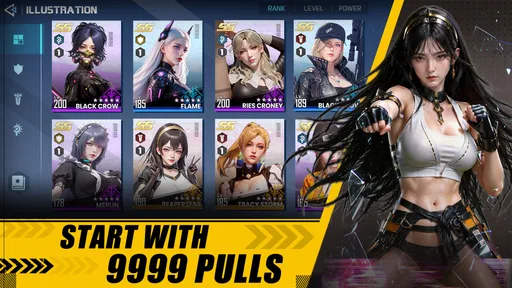
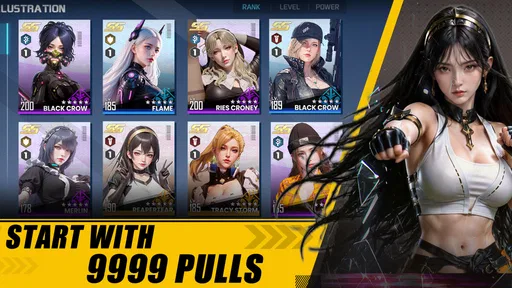
The age rating is Everyone, which makes the game broadly accessible in rating terms. I would still make the choice based on the kind of play you want, not the label alone: a fantasy adventure can be approachable without being the right fit for someone who dislikes character collection, repeated progression, or the rhythms of mobile games. Its store summary puts a striking emphasis on receiving 9,999 summons after logging in. I would read that as a reason to look closely at the game’s opening offer and onboarding, not as a guarantee that every player will find the long-term experience generous or satisfying.
How I would approach the opening
For a new player, the most useful way to begin is to take the first session slowly enough to learn what the game actually asks of you. I would avoid tapping through every prompt just to reach the next screen; instead, I would pay attention to which parts of the interface explain the main loop and which are optional. That small bit of patience helps answer an important question early: does the game make sense to you without requiring a long uninterrupted session?
I would also treat the advertised summon haul as an introduction to the game’s character side, rather than as a reason to spend carelessly or assume that every result is equally valuable. When a game foregrounds a large summon offer, it can be tempting to rush through it and then make decisions before understanding the roster or the available choices. My practical tip is to inspect the relevant menus first, see what can be claimed or selected, and decide how much time you want to invest before committing to a particular play pattern. That is a useful habit in any collection-focused adventure, and it is especially helpful when the first impression is built around a generous-sounding login reward.
Unraveling the Mythical World
From the moment you step into the game, you're greeted with a vibrant world filled with mythological deities and creatures. The app does a fantastic job at creating an immersive environment that's both captivating and intricate. Whether you're summoning the mighty Zeus or negotiating with cunning Loki, the attention to detail is impressive. Each character feels well-developed, with unique abilities and stories that add depth to the gameplay.
The interface is user-friendly, which is always a plus. Navigating through different menus and options is a breeze, making it easy to focus on the core strategies without getting bogged down. For those new to the genre, the learning curve is gentle, with tutorials and guides that help you get up to speed quickly.
Gameplay Mechanics
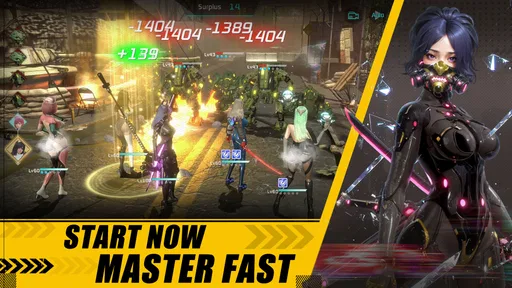
Now, let's talk about the gameplay, which is where Grand Goddess: Core Era truly shines. The game combines elements of strategy and role-playing, requiring players to think several steps ahead. You'll need to build alliances, manage resources, and make strategic decisions to conquer new territories. The balance between offensive and defensive strategies keeps you on your toes, and every decision feels meaningful.
One of the standout features is the ability to customize your deities. You can equip them with various artifacts and abilities, tailoring their strengths to suit your playstyle. This flexibility in customization adds a layer of depth that keeps the gameplay fresh and exciting.
Making the game fit real life
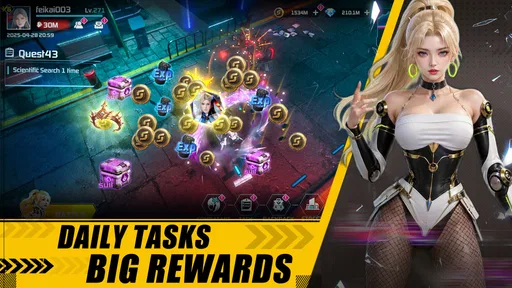
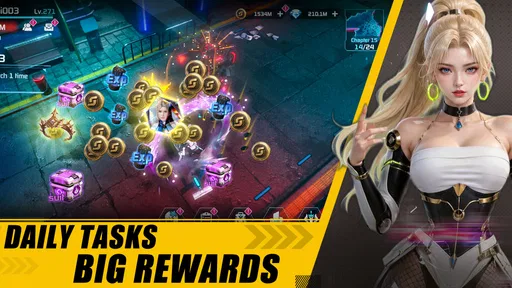
I would approach a typical day with this game in short, deliberate visits rather than assuming it needs to become a long daily commitment. For example, if I had a spare moment after dinner, I would check the main screen, see what the current objectives ask me to do, and choose one manageable activity rather than opening every menu at once. A second visit later could be for a longer stretch if I felt like exploring. This routine is useful because it lets you judge whether progression feels rewarding at your own pace instead of letting a string of alerts or available tasks dictate your evening.
That same approach helps with resource choices. Before spending a scarce item or changing a character setup, I would first identify which challenge I am trying to solve. If a team is struggling, changing several things at once makes it difficult to learn what helped; making one adjustment and then trying again gives you clearer feedback. This is a small but valuable strategy for a game that asks players to tailor deities with artifacts and abilities. It also avoids the common trap of treating every new item as an automatic upgrade, when the better choice may depend on the role you want a character to fill.
There is a trade-off here: customization is most satisfying when you enjoy experimenting, but it can feel like busywork if you would rather have a fixed team and get straight to the action. Players who like comparing options and thinking through their combinations are more likely to appreciate that layer. If you prefer a simple adventure that tells a clear story and keeps decisions light, I would look for a more linear game instead of expecting this one to behave like an interactive mythological novel.
Visuals and Soundtrack
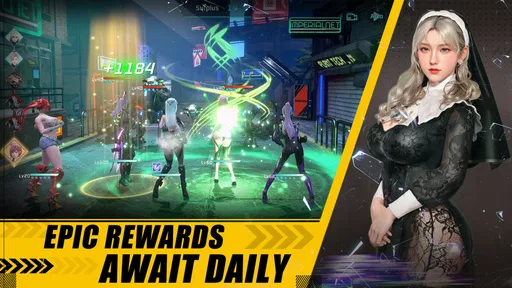
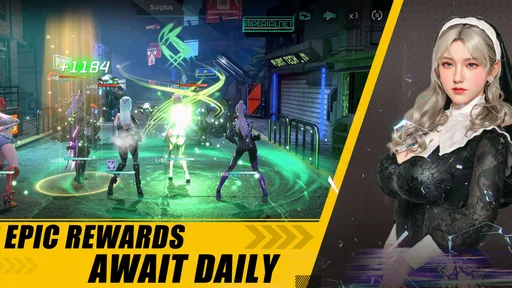
The visuals in Grand Goddess: Core Era are nothing short of stunning. Each scene is beautifully crafted, with vibrant colors and intricate details that bring the mythological world to life. The character designs are equally impressive, with each deity rendered in exquisite detail.
The soundtrack complements the visuals perfectly, with epic scores that enhance the overall atmosphere. Whether you're in the heat of battle or exploring new lands, the music draws you into the world and heightens the experience.
What it offers beside similar adventures
Compared with a straightforward action adventure, this game places more emphasis on managing a cast of mythological characters and thinking about how their abilities fit together. That can make it a better choice for a player who enjoys planning and roster decisions than for someone looking for constant hands-on action. Compared with a traditional role-playing game built around a single hero and a long, authored journey, its appeal is more about building out a collection and engaging with the game’s broader strategic elements. I would choose it when I want those systems; I would choose a story-led alternative when I want the narrative itself to be the main reason to keep playing.
The mythology is also a useful entry point, but I would not pick the game solely because I want a historically faithful tour of Greek or Norse stories. Its appeal, as presented, is the meeting of deities and fantasy gameplay, not a promise of scholarly retellings. If you enjoy seeing familiar mythic names placed into a game world and then making decisions about how to use them, that premise can be fun. If accuracy to a particular source tradition matters more than character play, a book or a mythology-focused narrative game would be a better fit.
Multiplayer and Community
For those who enjoy a bit of competition, the multiplayer mode is a welcome addition. You can test your strategies against other players, forming alliances or waging wars. The community aspect is strong, with an active player base that makes each match dynamic and unpredictable. Sharing strategies and learning from others adds a social element that enriches the game.
The developers seem committed to keeping the game fresh with regular updates and new content. This ongoing support is crucial, especially in a game where evolving strategies can significantly impact the experience.
Who should join, and who may prefer another game
I would recommend giving it a try if you like fantasy settings, character-driven progression, and the satisfaction of adjusting a team rather than relying on one unchanging approach. The fact that it is free lowers the barrier to trying it, and the Everyone rating makes it accessible to a broad audience. Still, free entry is not the same as a promise that every optional purchase or progression choice will suit your preferences, so I would decide in advance whether you want to play casually or invest more time in optimizing your roster.
I would be more cautious if you want a completely self-contained, offline-feeling experience, dislike competitive play, or prefer games with a clearly defined ending. The multiplayer and community elements may be a draw for some people and an unwanted obligation for others. If you do not enjoy comparing progress with other players, you can focus on the parts that interest you, but you should not install it expecting a purely solitary campaign. Likewise, someone who has limited patience for menus and character choices may find a simpler adventure less demanding.
For a family deciding whether it is suitable, I would start with the Everyone rating and then consider the individual player’s comfort with fantasy combat and online interaction. The rating is useful, but a parent or guardian may still want to look at how a younger player uses multiplayer features and whether they understand any optional spending prompts. That is sensible guidance for mobile games generally, not a claim about a particular feature or policy here.
What I would watch as a returning player
If you have already been playing, the release number gives you a simple check before troubleshooting: make sure you are on version 1.4.7, then compare your experience with what the game currently presents. I would pay attention to whether the parts you enjoy remain easy to reach and whether new content, when it appears, gives you a meaningful reason to revisit your team choices. Those are better signs of useful evolution than a version number on its own. I would avoid assuming that a later release automatically changes the game’s balance or adds a specific system until I could see that change in play.
For someone still deciding, the sensible things to watch are how the opening summon offer leads into ordinary play, whether the tutorial explains the choices you need to make, and whether multiplayer feels optional enough for your taste. These checks answer the questions that matter more than a headline reward: can you understand your next step, can you enjoy progress without rushing, and does competition add energy rather than pressure? I would also give the interface a fair trial on your own device, since comfort with menus and screen presentation is personal and can make a bigger difference over time than a first-session impression.
Final Thoughts
All in all, Grand Goddess: Core Era is a delightful blend of mythology, strategy, and role-playing. Its engaging gameplay, stunning visuals, and rich community make it a must-try for fans of the genre. Whether you're looking to test your strategic prowess or simply enjoy a beautifully crafted world, this app delivers on all fronts.
If you're ready to embark on a mythical adventure, you can download the app from your preferred store. Trust me, this is one journey you won't want to miss!
My recommendation is more measured than that closing enthusiasm suggests: I would try it if its mythological cast and strategic character play sound appealing, then decide based on how the actual routine feels after the opening excitement fades. Its free price and approachable rating make sampling it easy, while its adventure focus and multiplayer angle give it a clearer identity than a generic fantasy title. If you want a game you can shape through team decisions and return to for competitive play, it is worth a look. If you want a tightly paced solo story with minimal management, I would spend my time elsewhere.
Verdict
Strengths of Grand Goddess: Core Era
- Stunning graphics enhance gameplay experience.
- Intuitive controls make it easy to navigate.
- Diverse character options keep it engaging.
- Regular updates add new features and content.
- Strong community fosters interaction.
Limitations of Grand Goddess: Core Era
- In-app purchases can be costly.
- Requires constant internet connection.
- Some levels feel repetitive over time.
- Occasional bugs disrupt gameplay.
- High battery consumption on older devices.
Similar Picks in This Category
View All
Roblox
Roblox Corporation4.2

Pokémon GO
Niantic, Inc.3.5

Ninja warrior: legend of adven
TOH Games4.6

Ninja Arashi
Black Panther4.6

Eyes - The Horror Game
Fearless Games sp. j.4.5

Critical Action:Gun Strike Ops
FPS Shooter & Action Game4.3
Frequently Asked Questions
What is the main objective of Grand Goddess: Core Era?
In Grand Goddess: Core Era, players are immersed in a strategic world where they must build and manage a powerful team of goddesses. The main objective is to conquer various realms, complete challenging quests, and enhance the abilities of your goddess team to become the ultimate ruler. Strategy and resource management are key to success.
Is Grand Goddess: Core Era free to play?
Yes, Grand Goddess: Core Era is free to download and play on both Android and iOS devices. However, the game offers in-app purchases that can enhance gameplay, such as special items, power-ups, and premium currency. These purchases are optional but can provide advantages in progressing through the game.
What are the system requirements for Grand Goddess: Core Era?
For Android users, the game requires at least Android 5.0 and 2GB of RAM to run smoothly. iOS users need to have iOS 11.0 or later. While the game is optimized for newer devices, players with older models may experience reduced performance or longer loading times.
How does the multiplayer feature work in Grand Goddess: Core Era?
Grand Goddess: Core Era includes multiplayer modes where players can team up with friends or compete against others worldwide. You can join guilds, participate in cooperative missions, and engage in real-time battles. The multiplayer aspect adds a social and competitive element that enhances the overall gameplay experience.
Are there any parental controls available for Grand Goddess: Core Era?
While Grand Goddess: Core Era is suitable for a wide audience, it does include options for parental controls. Parents can restrict in-app purchases and set screen time limits to ensure a balanced gameplay experience for younger players. It’s advisable for parents to review these settings to maintain control over their child’s gaming activities.
Play our best games!


